
Study in the USA
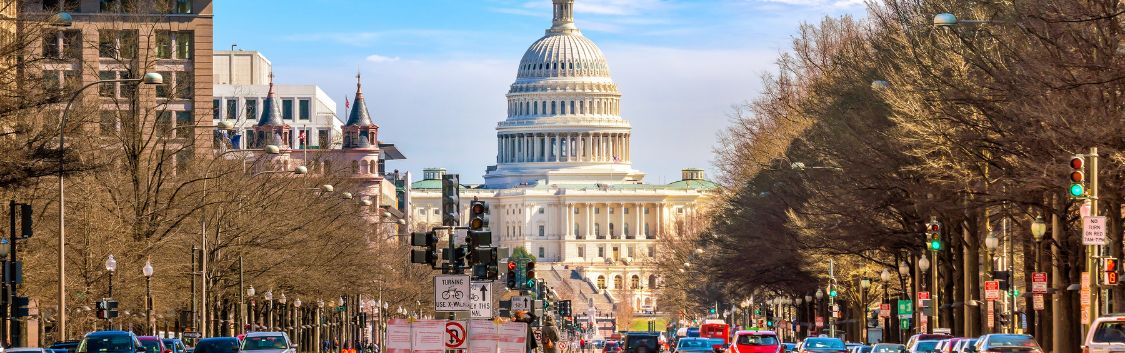
The United States is made up of 50 states and the District of Columbia. Its universities and colleges are spread across the country, in major cities such as Washington, DC; Boston; New York; Chicago and Los Angeles, as well as in smaller towns.
Indian students consider the United States for its wide choice of universities, programmes and campus settings.
Student Visa
To study at a US university or college you need an F student visa. First you need an offer from a SEVP-approved school and a Form I-20. Then you pay the SEVIS I-901 fee, complete the online DS-160 form and attend a visa interview at a US Embassy or Consulate. Other types of programme may need a different visa, so check travel.state.gov before applying. Source: US Department of State, accessed 18 Oct 2026.
Cost of Programmes
| S.no | School | Tuition fees (USD) |
| 1 | English language studies | Varies by college and programme |
| 2 | Community colleges | Varies by college and programme |
| 3 | Undergraduate bachelor degree | Varies by college and programme |
| 4 | Graduate programs | Varies by college and programme |
| 5 | Doctoral Degree | Varies by college and programme |
Fees are set by each college or university. Check the cost-of-attendance page of each college you are considering.
Funding your studies with a scholarship? Find out whether scholarships are taxable.
Comparing costs? See our guide to affordable places to study abroad.

Why choose the USA to study?
The United States is a common choice for study abroad, with a wide range of universities, programmes and campus environments. In the United States of America, there are numerous programs available for international students to pursue, including Associate, Bachelor, Pre-Master, Master, and Doctorate degrees. Moreover, preparatory and gateway programs are available for students to start their undergraduate education.
Not sure if your marks are enough? See our guide to the percentage required to study abroad.
Job opportunities in the USA
On an F-1 visa you can work on campus within set limits, with approval from your school. Off-campus work is only allowed in limited cases and needs approval. After your course, Optional Practical Training (OPT) can let you work in a job directly related to your major for up to 12 months, with a 24-month extension for eligible STEM degrees. Source: USCIS and DHS Study in the States, accessed 18 Oct 2026.
Subject areas to consider in the USA
- Computer science and engineering
- Life science
- Business management
-
Leading Rankings
-
Strong Connections
-
Diverse Experiences
Frequently Asked Questions
First get accepted by a SEVP-approved school, which issues your Form I-20. Then pay the SEVIS I-901 fee, complete the online DS-160 form, pay the visa fee and book an interview at a US Embassy or Consulate. University study needs an F-1 visa. The order of these steps may vary by embassy or consulate. Source: travel.state.gov, checked 18 Oct 2026.
The visa application fee is USD 185 (about ₹17,600) and the separate SEVIS I-901 fee is USD 350 (about ₹33,200), both approx., ECB rate of 16 Oct 2026. The application fee is non-refundable. Some nationalities also pay an issuance fee if the visa is approved. Sources: travel.state.gov and ice.gov, checked 18 Oct 2026.
It is a US government fee that funds the Student and Exchange Visitor Program. F-1 and M-1 applicants pay USD 350 (about ₹33,200, approx., ECB rate of 16 Oct 2026). It is separate from the visa fee, and you pay it once your school accepts you and registers you in SEVIS. Sources: ice.gov and travel.state.gov, checked 18 Oct 2026.
The consular officer may ask for evidence of how you will pay all your education, living and travel costs. F-1 students must prove before coming to the United States that they can pay tuition and living expenses, for example with bank statements. Sources: travel.state.gov and Study in the States (DHS), checked 18 Oct 2026.
On an F-1 visa you can work on campus for up to 20 hours a week while school is in session, with your school's approval. Off-campus work is allowed only after one full academic year and only for qualifying economic hardship, with USCIS approval. Source: Study in the States (DHS), checked 18 Oct 2026.
Optional Practical Training (OPT) is temporary work directly related to your major. Eligible F-1 students can apply for up to 12 months. Graduates with an eligible STEM degree can apply for a further 24-month extension if their employer uses E-Verify. You need an approved work permit (EAD) before starting. Source: USCIS, checked 18 Oct 2026.
A new student's F-1 visa can be issued up to 365 days before the course start date. However, you cannot enter the United States more than 30 days before that start date. After your course and any practical training ends, you have 60 days to leave. Source: travel.state.gov, checked 18 Oct 2026.